
Polyurea vs Epoxy Garage Floors: Faster Cure, More Flex, No Yellowing—and Why Freedom Doesn’t Install Epoxy
okemos, United States – January 26, 2026 / Freedom Concrete Coatings /
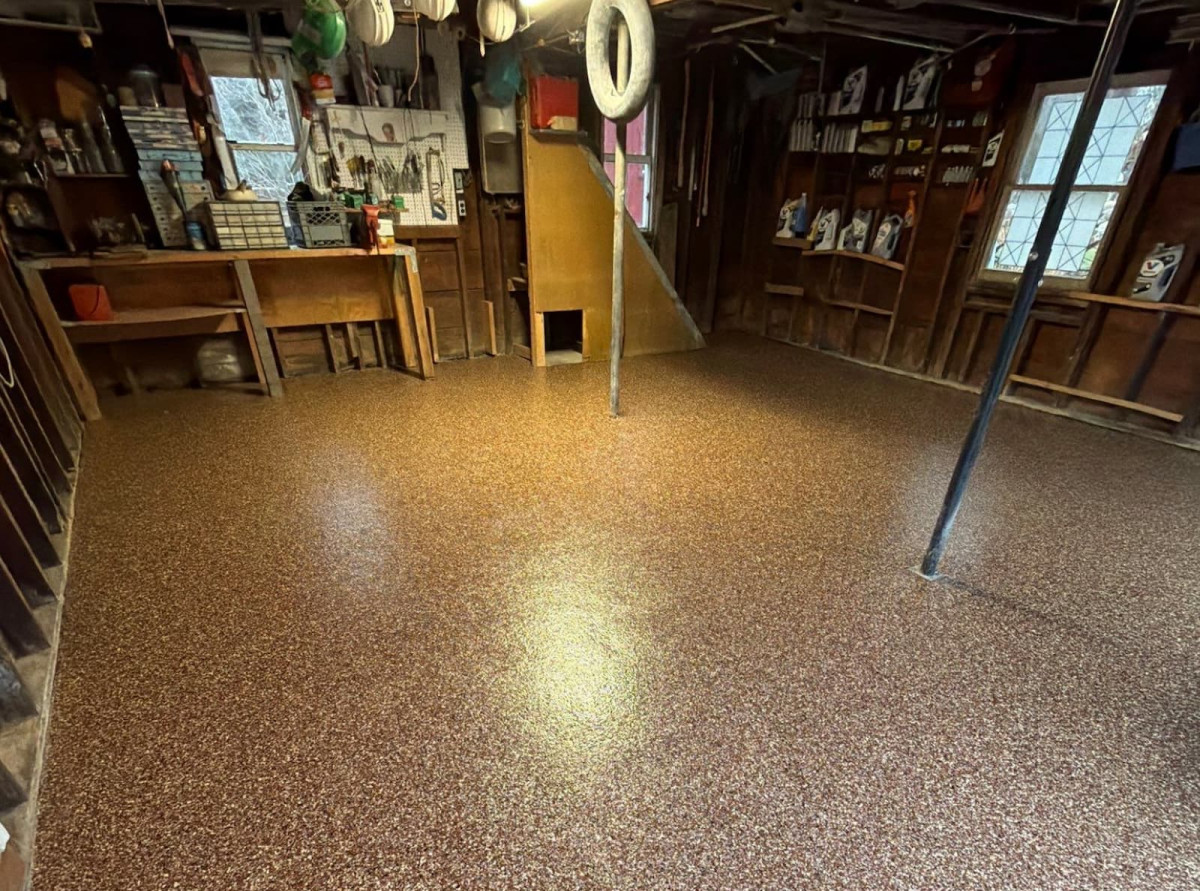
A polyurea coated garage floor is presented as a higher-performing alternative to an epoxy-coated floor because it cures faster, stays flexible, and resists UV radiation so it won’t yellow over time like epoxy can. Freedom Concrete Coatings emphasizes that they install a professional-grade polyurea system rather than epoxy, noting that “epoxy” is often used online as a catch-all term even when the product isn’t truly epoxy.
Epoxy is described as a resin-based coating that can look nice initially but has common drawbacks: long cure times that can take several days, rigidity that prevents it from flexing with concrete movement, and UV sensitivity that can cause yellowing, chalking, or fading even with limited sunlight. Epoxy is also described as performing poorly in cold weather because it needs warm, dry conditions to cure, and it relies on a mechanical bond that depends heavily on flawless surface preparation.
Polyurea is described as a protective coating originally built for industrial use, now used for garages, basements, patios, shops, and commercial floors. A proper system uses a base coat to grip and hold long-term and a polyaspartic topcoat (a type of polyurea) to resist UV, maintain color, and provide a clean finished look. The most noticeable difference highlighted is speed: polyurea cures rapidly, and some floors can be completed in as little as one day. Flexibility is emphasized because concrete expands and contracts; epoxy’s rigid nature leads to cracking, peeling, and delamination, while polyurea remains flexible to handle shifting without breaking its bond.
UV resistance is reinforced through a high-quality polyaspartic topcoat designed to prevent yellowing and fading. Cold-weather readiness is framed as a Michigan advantage, with polyurea installable even in freezing conditions. Bonding is contrasted directly: epoxy uses mechanical grip, while polyurea forms a chemical bond for a stronger foundation. Freedom explains choosing Penntek for engineered systems, Penntek-backed limited lifetime warranties, certified installer standards, support from technical experts, American-made production, and consistent quality control.
A side-by-side list explains typical timelines (Penntek: 1 day install, walkable in 6–8 hours, vehicles in ~48 hours; epoxy: 2–5 day install, walkable 24–72 hours, vehicles 5–7 days), plus performance differences like hot tire pickup (rare vs common). Pricing is given as roughly $2,500–$9,500 depending on size, condition, and repairs, with moisture checks, detailed quotes, and 0% financing up to 24 months for qualified buyers. Freedom also notes long-standing local roots and community involvement in Mid-Michigan.


Contact Information:
Freedom Concrete Coatings
1145 Jolly Road 1902 oak st
okemos, MI 48864
United States
Chris Scott
(517) 290-1853
https://freedomcoat.com/


Original Source: https://freedomcoat.com/polyurea-vs-epoxy-garage-floors-faster-cure-more-flex-no-yellowing-and-why-freedom-doesnt-install-epoxy/
